- Tilak Devasher
- Updated: Apr 3, 2022, 14:55 IST IST
With international heat on Pakistan for promoting terrorism, the intelligence agencies have been looking to bring the Barelvis to the centre stage to balance the other groups
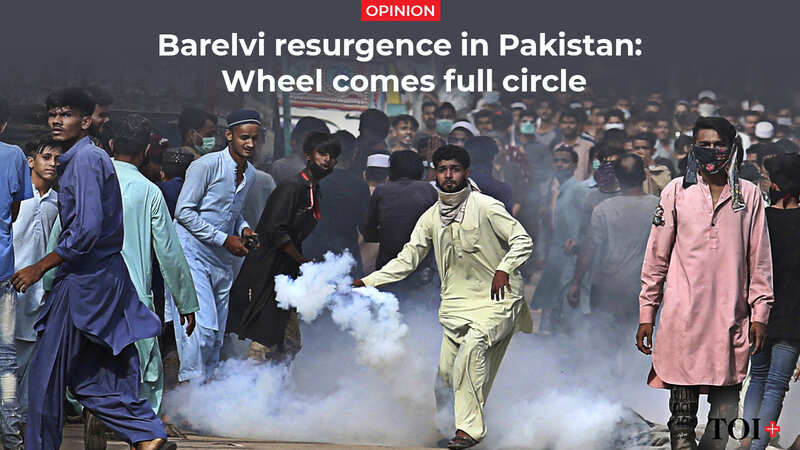
The last week witnessed clashes in major cities of Pakistan between the followers of the Barelvi Tehreek-i-Labbaik Pakistan (TLP) and the security forces. In the process, several people were killed, scores injured, many more arrested and property damaged. At one stage, several police personnel were held hostage by the protesters. If social media is to be believed, there are stirrings in the army and clips of soldiers warning of taking matters into their own hands have gone viral. The last time this happened was during the Pakistan National Alliance (PNA) agitation against Zulfikar Ali Bhutto in 1977 after the massively rigged elections. The army had refused to fire on protestors in Lahore, ultimately leading to martial law of Zia-ul-Haq and the hanging of Bhutto.
Excluding the early decades of Pakistan’s creation when the Barelvis (followers of Ahmad Raza Khan Barelvi (1856-1921) from Bareilly in UP flourished, the last few decades have seen their decline, despite being a majority, largely on account of the Deobandis and Wahabis being promoted by the intelligence agencies for foreign policy goals in Afghanistan and Kashmir. The wheel has now come full circle. With international heat on Pakistan for promoting terrorism, the intelligence agencies have been looking to bring the Barelvis to centre stage to balance the other groups and also try show a moderate face of Islam in Pakistan. What perhaps they did not reckon with was a series of events that have catapulted the Barelvis far beyond what their managers had hoped for.
Excluding the early decades of Pakistan’s creation when the Barelvis (followers of Ahmad Raza Khan Barelvi (1856-1921) from Bareilly in UP flourished, the last few decades have seen their decline, despite being a majority, largely on account of the Deobandis and Wahabis being promoted by the intelligence agencies for foreign policy goals in Afghanistan and Kashmir. The wheel has now come full circle. With international heat on Pakistan for promoting terrorism, the intelligence agencies have been looking to bring the Barelvis to centre stage to balance the other groups and also try show a moderate face of Islam in Pakistan. What perhaps they did not reckon with was a series of events that have catapulted the Barelvis far beyond what their managers had hoped for.